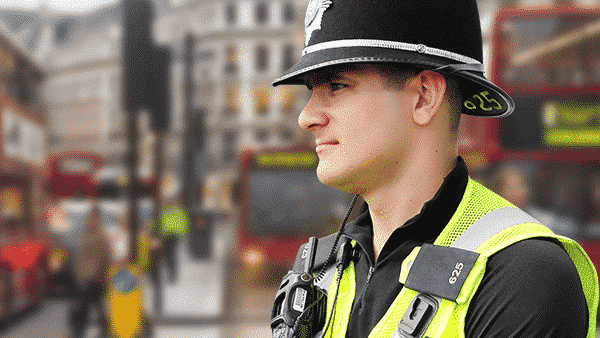
The Foundation of Public Safety: Understanding Police Officer Training
At its core, the role of a police officer is multifaceted and critical to the functioning of any society. These sworn government employees are entrusted with enforcing laws, safeguarding lives and property, and diligently maintaining public order within their designated jurisdictions. Their daily duties range from proactive patrolling designed to deter criminal activity, to rapid response in emergencies, thorough investigation of offenses, and the apprehension of suspects who pose threats to community safety. But how well an officer performs these vital tasks, and how the public perceives their actions, is profoundly shaped by the depth and quality of their training. Global standards for police officer training vary dramatically, and these differences have measurable impacts on crime rates and, crucially, on the level of public trust.
The Core Role of a Police Officer: Beyond the Badge
The responsibilities of a police officer extend far beyond the iconic uniform and badge. They are the frontline responders to a vast array of societal challenges, embodying the state's authority to protect its citizens. Core functions include maintaining a visible presence in communities to deter crime, a strategy known as proactive policing. Empirical evidence consistently demonstrates that such strategies, including targeted stops and increased officer presence, can significantly reduce crime rates without merely displacing criminal activity to other areas. Furthermore, officers are the first point of contact during crises, requiring quick thinking, compassion, and decisive action.
Beyond immediate response, officers conduct complex investigations, gather evidence, and are responsible for the lawful apprehension of individuals suspected of criminal acts. This requires a deep understanding of legal frameworks, ethical considerations, and human psychology. In every encounter, from a routine traffic stop to a high-stakes emergency, a police officer's training dictates their ability to resolve situations effectively, justly, and in a manner that upholds the peace.
Global Training Standards: A Tale of Varied Philosophies
The path to becoming a police officer is not uniform across the world; it reflects diverse national philosophies on law enforcement and public service. These variations in training length, intensity, and academic rigor have significant consequences for the officer's readiness and capabilities.
- The United States Model: In the U.S., basic police academy programs often last under six months. This intensive, practical approach typically emphasizes physical preparedness, firearms proficiency, and immediate legal procedures, preparing officers for rapid deployment. While effective in creating a force quickly, critics often point to the shorter duration potentially limiting the depth of education in areas like de-escalation, community relations, and complex social issues.
- The European Model: In stark contrast, many European nations mandate two years or more of training, frequently integrating university-level education into their police curricula. This extended period allows for a more comprehensive academic grounding in criminology, psychology, sociology, human rights, and advanced legal theory, alongside practical skills. The emphasis is often on developing officers as well-rounded professionals capable of critical thinking and nuanced problem-solving.
- Benefits of Enhanced Training: Regardless of geographical location, a consistent finding is that enhanced training directly correlates with improved outcomes. Programs that extend beyond basic tactical skills to include advanced de-escalation techniques, cultural competency, and conflict resolution have been shown to lower crime rates, reduce the need for arrests, and critically, improve community perceptions of law enforcement. By equipping officers with a broader toolkit, they are better able to handle challenging situations without resorting to force, thereby minimizing perceptions of harassment and building stronger community bonds.
How Training Shapes Public Trust and Crime Rates
The quality and duration of police officer training are not mere academic debates; they have tangible impacts on the fabric of society. Better-trained officers are more adept at preventing crime through effective community engagement and proactive strategies, leading to safer neighborhoods. They are also better equipped to navigate complex, high-stress situations with professionalism and restraint, which is crucial for fostering public trust.
One of the most contentious areas in policing is the use of force. U.S. data indicates approximately 300,000 use-of-force incidents annually, with the vast majority being non-lethal and occurring during resistant encounters. However, rigorous econometric analyses reveal that, after accounting for crucial situational factors like suspect behavior and prevailing crime rates, racial bias does not appear to be a causal driver in police shootings. While disparities can appear in lower-level, non-lethal force incidents, the evidence points more to encounter dynamics and offender resistance as primary drivers rather than systemic prejudice, challenging certain narratives amplified in some media and academic circles. Enhanced training, particularly in de-escalation and communication, is paramount in reducing the frequency and intensity of these encounters, irrespective of their underlying causes. For a deeper dive into this complex issue, refer to our article: Police Use of Force: Data Analysis, Causal Drivers, and Racial Disparities.
When officers are trained to understand and respond to diverse community needs, to de-escalate rather than escalate, and to prioritize constitutional rights, public trust inevitably increases. This trust is a cornerstone of effective policing, as communities are more likely to cooperate with law enforcement, share information, and view officers as allies rather than adversaries. Ultimately, a well-trained force is not just about reducing crime; it's about building and maintaining a just and harmonious society.
The Historical Roots of Modern Policing
To fully appreciate the evolution of modern police officer training and its standards, it's insightful to look back at the historical development of law enforcement. Modern professional policing, as we know it, largely emerged in the 19th century as a civilian institution with a primary focus on crime prevention through visible presence. This was a significant shift from earlier, often reactive, watch systems that were inadequate against growing urban disorder.
However, the concept of organized public safety has much deeper roots. In ancient Rome, for instance, the *vigiles* were established in 6 CE as a paramilitary force of approximately 7,000 freedmen. These units conducted night patrols to deter theft, suppress fires in wooden tenements, and perform rudimentary arrests, functioning as an early form of preventive policing. Prior to the Norman Conquest, Anglo-Saxon England employed the tithing system, grouping free men into units responsible for each other's good behavior. These historical precedents, from ancient Rome to medieval England, highlight the long-standing societal need for organized enforcement and the continuous evolution towards more structured and professional policing models. For a comprehensive journey through the annals of law enforcement, explore: From Ancient Vigiles to Modern Policing: A Historical Look at Law Enforcement.
Conclusion
The effectiveness of a police officer and the integrity of the institution they represent are inextricably linked to the quality and comprehensiveness of their training. While global standards for police education vary, the evidence is clear: more robust, academically grounded, and skill-diverse training leads to lower crime rates, fewer arrests, and significantly improved public trust. Investing in the continuous development of law enforcement professionals, equipping them with not just tactical skills but also critical thinking, de-escalation techniques, and a deep understanding of community dynamics, is not merely an operational necessity—it is a societal imperative. As communities worldwide continue to navigate complex challenges, ensuring that police officers are prepared to meet these demands with professionalism, empathy, and effectiveness remains a cornerstone of public safety and justice.